07624266478 or WhatsApp


Chimney Cowl: Enhancing Safety and Efficiency in Your Home
If you own a fireplace or a wood-burning stove, you've probably heard of a chimney cowl, but you might not be entirely sure what it is and why it's essential. A chimney cowl is a simple yet effective device designed to fit on top of a chimney, offering numerous benefits that improve both the safety and efficiency of your home's heating system. In this post, we'll explore what a chimney cowl is and why it's worth considering for your home.
1. Definition and Purpose
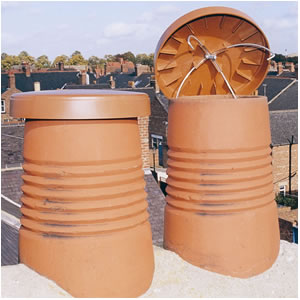
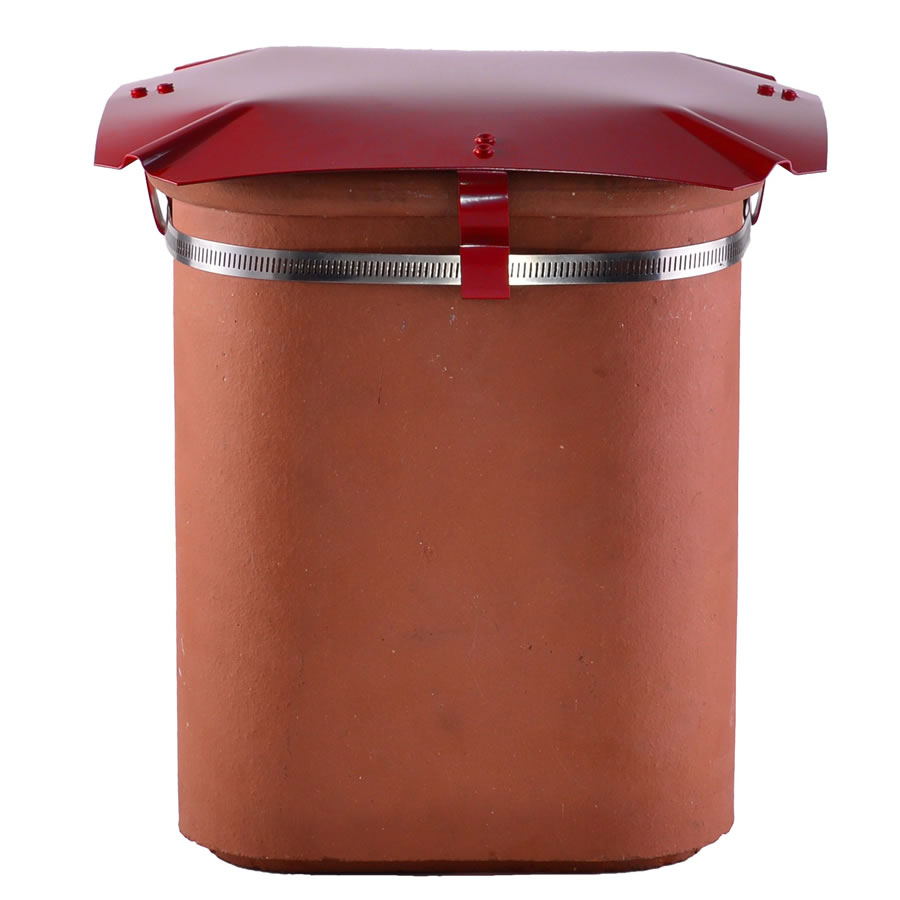
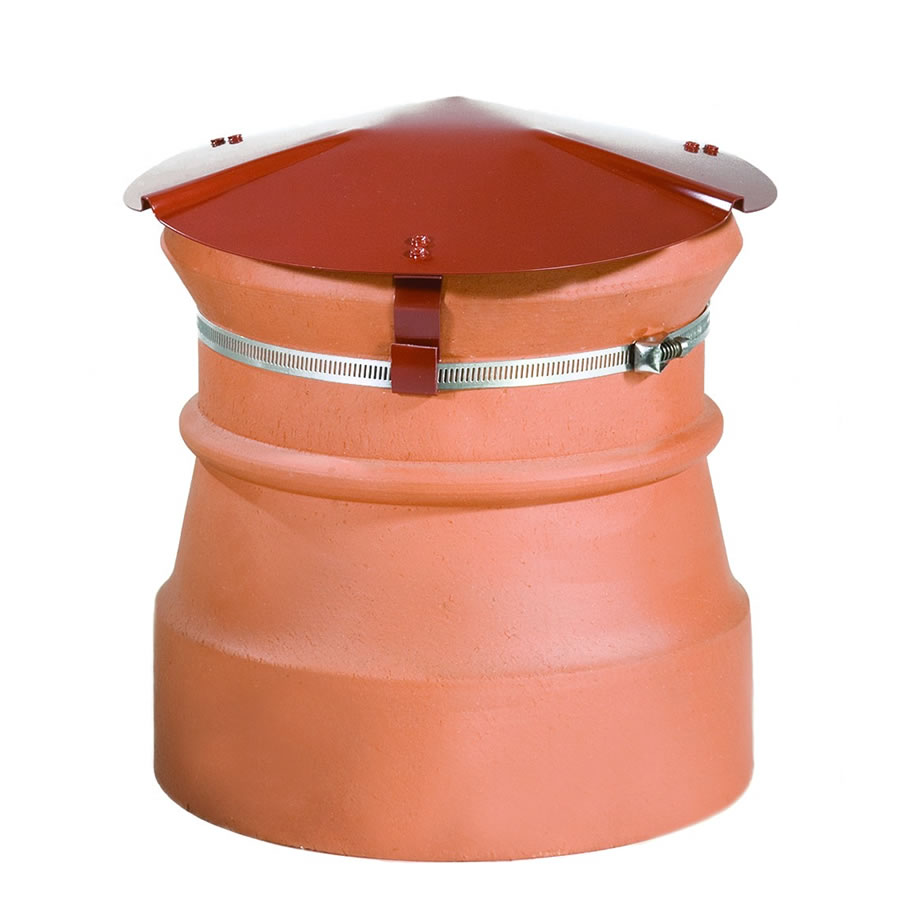
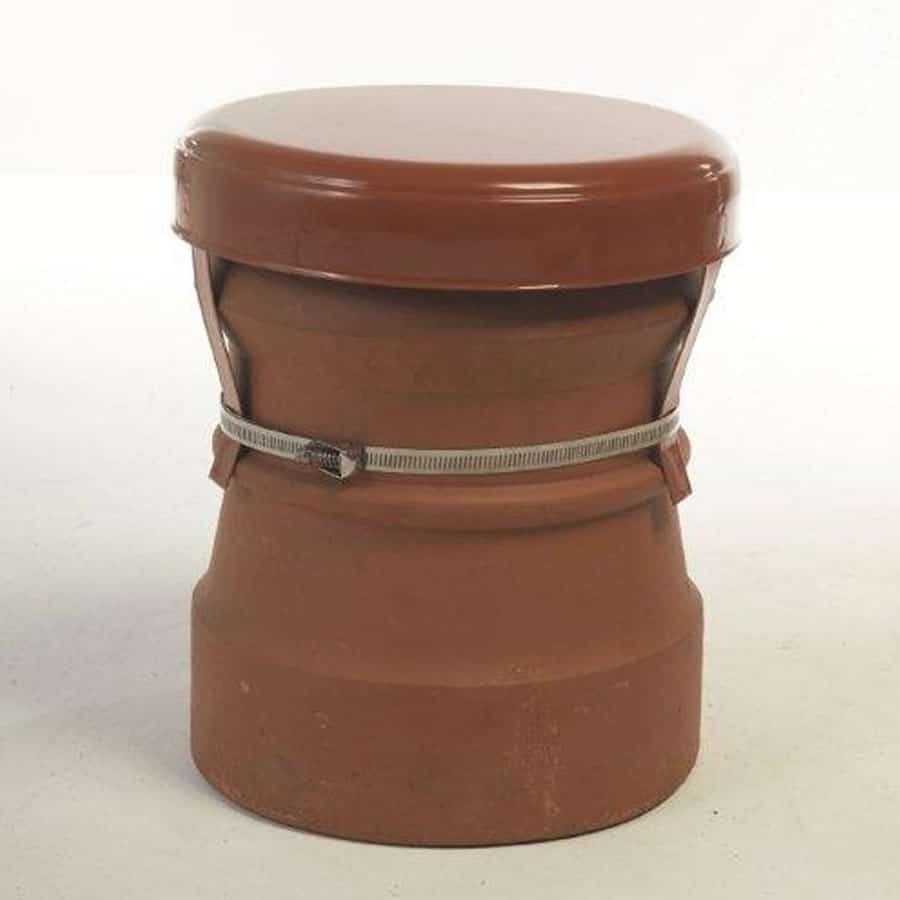
A chimney cowl, also known as a chimney cap or flue cowl, is a covering or hood made of various materials such as metal, stainless steel, aluminum, or even terracotta. Its primary purpose is to cover the chimney's opening, preventing debris, animals, rainwater, and snow from entering the chimney flue. This protective barrier helps to keep the chimney clean and free from blockages, which can lead to several issues if left unaddressed.
2. Enhancing Safety
One of the significant benefits of a chimney cowl is its role in enhancing safety. Without a cowl, small animals like birds or rodents might build nests inside the chimney flue, creating a potential fire hazard. Debris such as leaves and twigs can also accumulate, posing the risk of a chimney fire if ignited. Moreover, the cowl prevents embers or sparks from escaping the chimney and potentially causing fires on the roof or in nearby surroundings.
3. Preventing Downdrafts
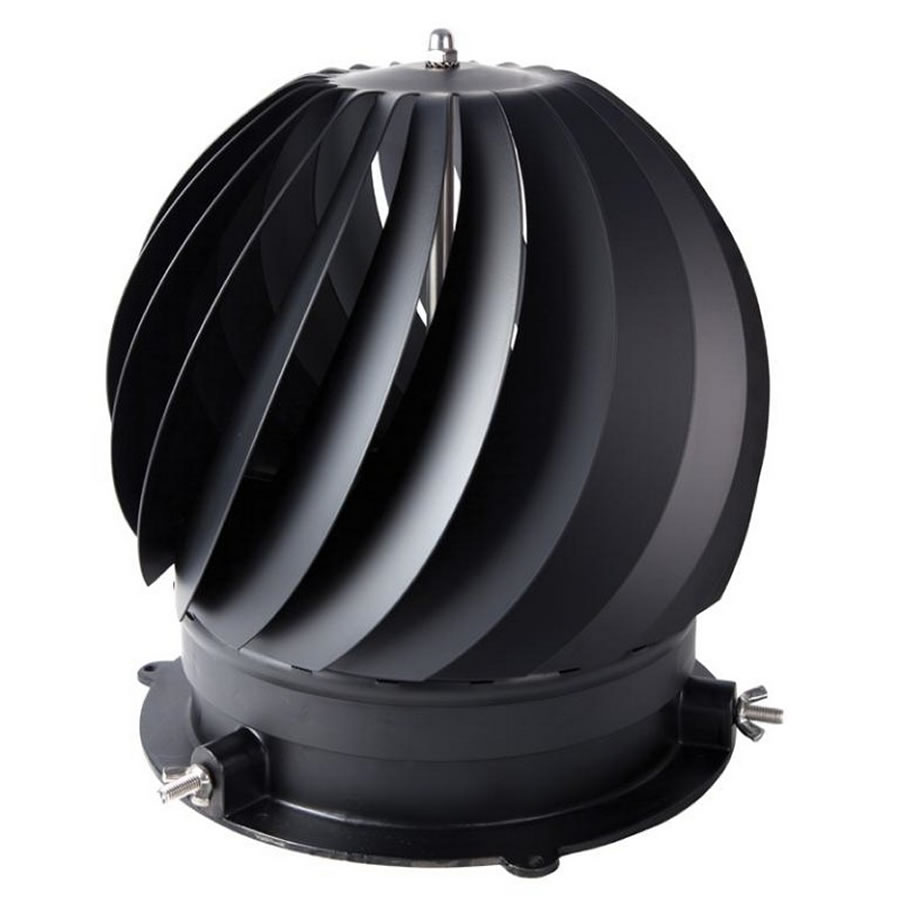
Downdrafts are another common problem that homeowners with chimneys may encounter. Strong winds can push air down the chimney, disrupting the normal draft flow and causing smoke to enter your home instead of being drawn up and away. A chimney cowl is designed with features that help minimize or eliminate downdrafts by redirecting the wind's force and creating a barrier that encourages proper upward airflow.
4. Improving Energy Efficiency
Chimney cowls also play a role in improving the overall energy efficiency of your home's heating system. By preventing downdrafts and maintaining a clear flue, a chimney cowl ensures that the fireplace or stove operates optimally. When the draft is consistent, your firewood burns more efficiently, reducing the amount of fuel wasted and maximizing heat output. This, in turn, can lead to lower energy bills and a more sustainable heating solution.
5. Protection Against Rain and Moisture
Rainwater can be damaging to chimneys, especially if they are made of masonry. Over time, exposure to moisture can cause cracks and deteriorate the chimney's structure. A chimney cowl acts as a shield against rain, preventing water from entering the flue and minimizing the potential for costly repairs due to water damage.
6. Different Types of Chimney Cowls
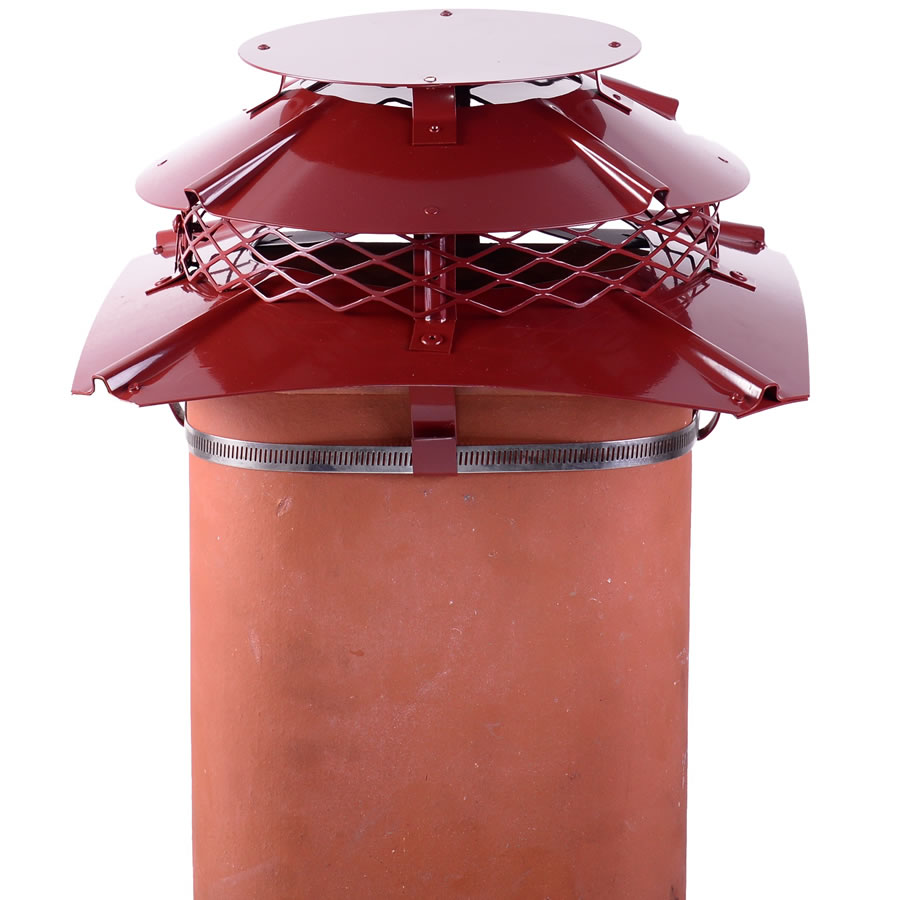
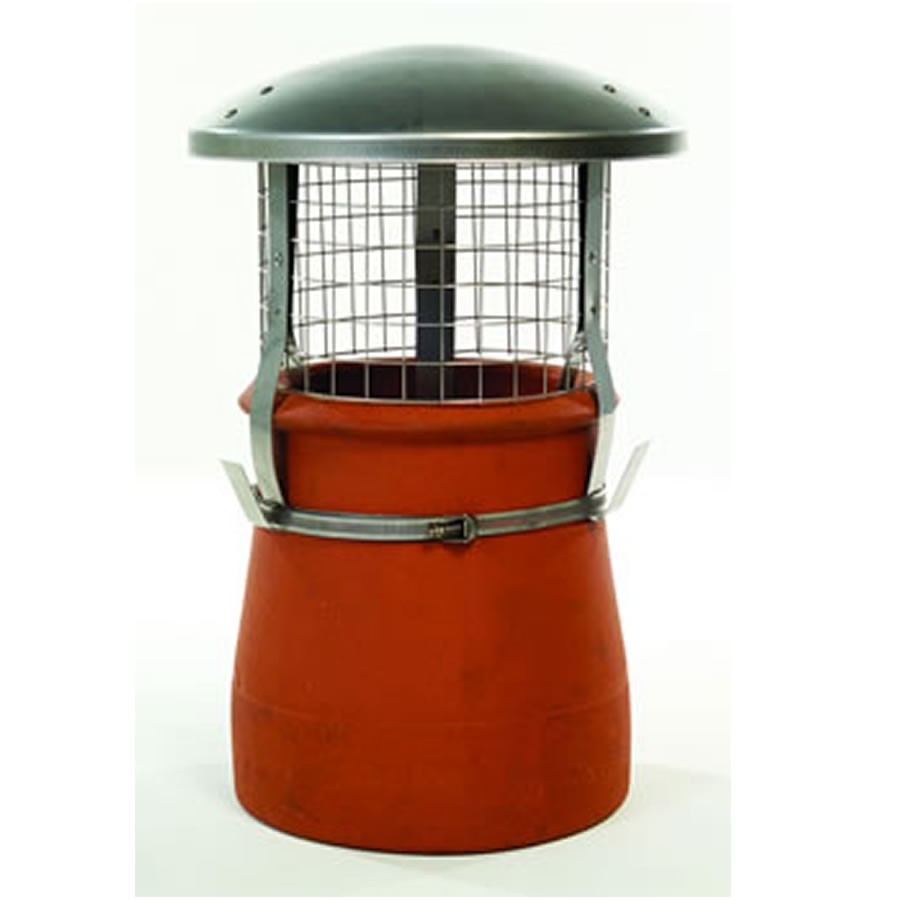
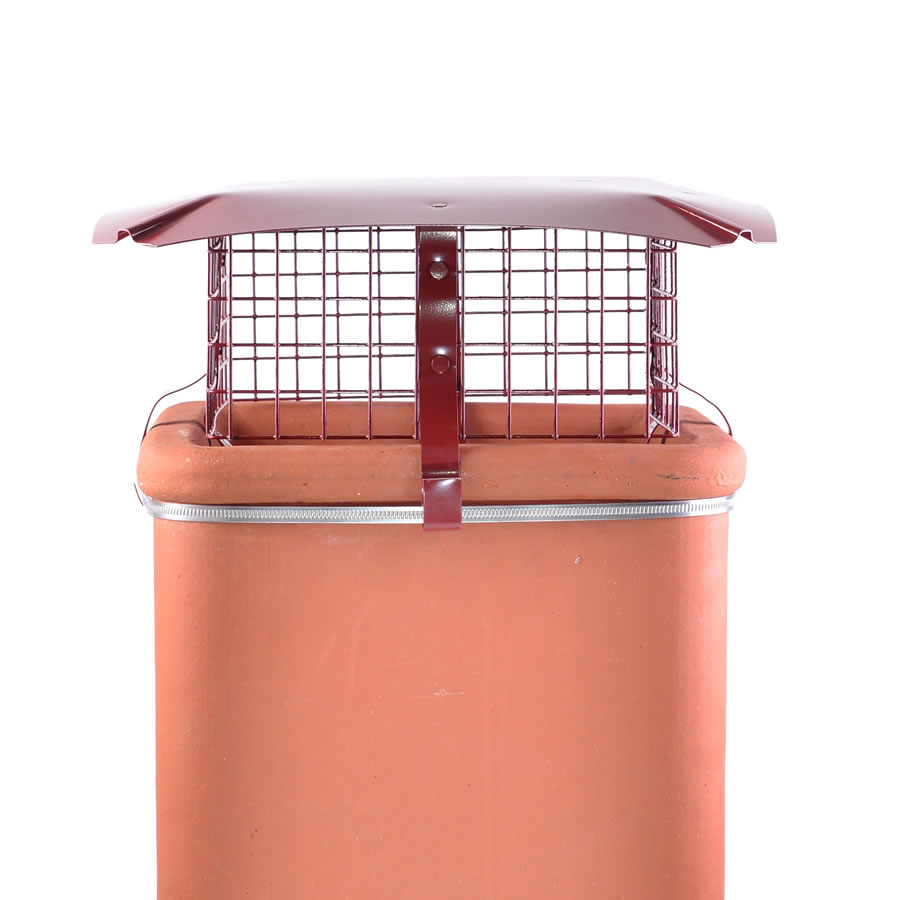
There are various types of chimney cowls available to suit different needs and chimney designs. Some common types include standard cowls (for general protection), anti-downdraught cowls (to tackle draft issues), bird guards (to prevent bird nesting), and spark arrestor cowls (which offer added fire protection). Choosing the right type of cowl depends on your specific requirements and the prevailing issues you wish to address.
A chimney cowl is a valuable addition to any home with a chimney or wood-burning stove. Not only does it enhance safety by preventing debris and animal entry, but it also improves energy efficiency, protects against downdrafts and rainwater, and extends the life of your chimney. Investing in a chimney cowl can save you money on repairs, reduce the risk of chimney fires, and provide peace of mind, knowing that your home's heating system is working efficiently and safely.
Preventing Downdraught in Chimneys: The Importance of Chimney Cowls
Downdraught in a chimney refers to the situation where air is drawn down the chimney instead of being drawn up as intended. This can occur for various reasons, such as unfavorable wind conditions, nearby tall structures obstructing the flow of air, or design flaws in the chimney.
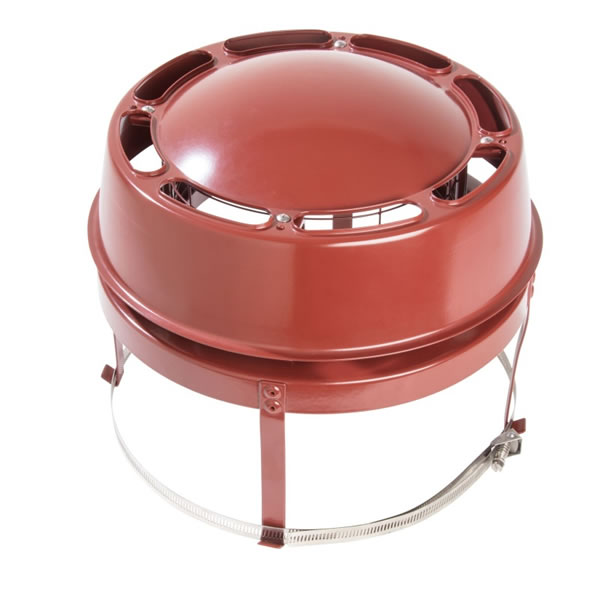
To prevent downdraught in a chimney, one effective solution is to use a chimney cowl. A chimney cowl is a device that is placed on top of the chimney to improve its performance and address downdraught issues. The cowl helps create a barrier against strong winds and prevents them from entering the chimney, thus maintaining the upward draft. Additionally, chimney cowls can also prevent birds or debris from entering the chimney, improving safety and reducing the risk of blockages.
Chimney Cowl Products is a website where you can find various types of chimney cowls designed to suit different chimney types and address specific issues like downdraught. You can browse through their product range to find the most suitable chimney cowl for your specific needs and chimney design. Always ensure that you choose the correct size and type of cowl for your chimney to ensure optimal performance and safety.
How to Stop Chimney Downdraft in Windy Areas
The complete guide for UK homes in exposed locations
Chimney downdraft is one of the most common causes of smoke blowing back into a room — especially in windy or coastal areas. If your fire struggles to stay lit, produces smoke indoors, or makes loud whistling noises during storms, you’re almost certainly dealing with a downdraft issue.
The good news? It’s usually very easy to fix, and the right chimney cowl can solve the problem instantly.
This guide explains:
- What causes chimney downdraft
- How to diagnose it
- The most effective solutions
- The best chimney cowls for windy areas
- When to call a professional
What Causes Chimney Downdraft?
Downdraft happens when air is pushed down your chimney instead of rising naturally through it. Wind is the biggest cause, especially if:
- Your home is in an exposed or coastal area
- Your chimney is too short
- Nearby buildings or trees create turbulence
- Your flue is cold
- Your chimney pot is the wrong shape
- Your fire struggles to create enough natural draft
If the problem gets worse on windy days, airflow turbulence is the likely culprit.
How to Tell If You Have a Downdraft Problem
Common symptoms include:
- Smoke entering the room
- Cold air dropping down the chimney
- Whistling or howling noises in high winds
- Soot falling into the grate
- Strong smells from the fireplace
- Fire struggling to stay lit
If these symptoms appear only when it’s windy, you’re dealing with wind-induced downdraft.
The Best Ways to Stop Chimney Downdraft
Below are the most effective solutions — starting with the one that works for almost everyone.
1. Install an Anti-Downdraught Chimney Cowl (Most Effective Fix)
A high-quality anti-downdraught cowl is the fastest and most reliable way to stop downdraft in windy areas.
These cowls:
- Stabilise airflow
- Prevent wind from forcing air down the flue
- Improve chimney draw
- Reduce smoke blowback
- Stop rain entering the chimney
- Prevent birds nesting
Recommended Anti-Downdraught Cowls (Direct Links)
- Colt Top 2 Anti-Downdraught Cowl
https://www.chimneycowlproducts.co.uk/acatalog/Colt_Top_2.html (chimneycowlproducts.co.uk in Bing)
- Brewer UFO Anti-Downdraught Cowl
https://www.chimneycowlproducts.co.uk/acatalog/Brewer_UFO_Cowl.html (chimneycowlproducts.co.uk in Bing)
- Stainless Steel Anti-Downdraught Cowl
https://www.chimneycowlproducts.co.uk/acatalog/Anti_Downdraught_Stainless_Steel.html (chimneycowlproducts.co.uk in Bing)
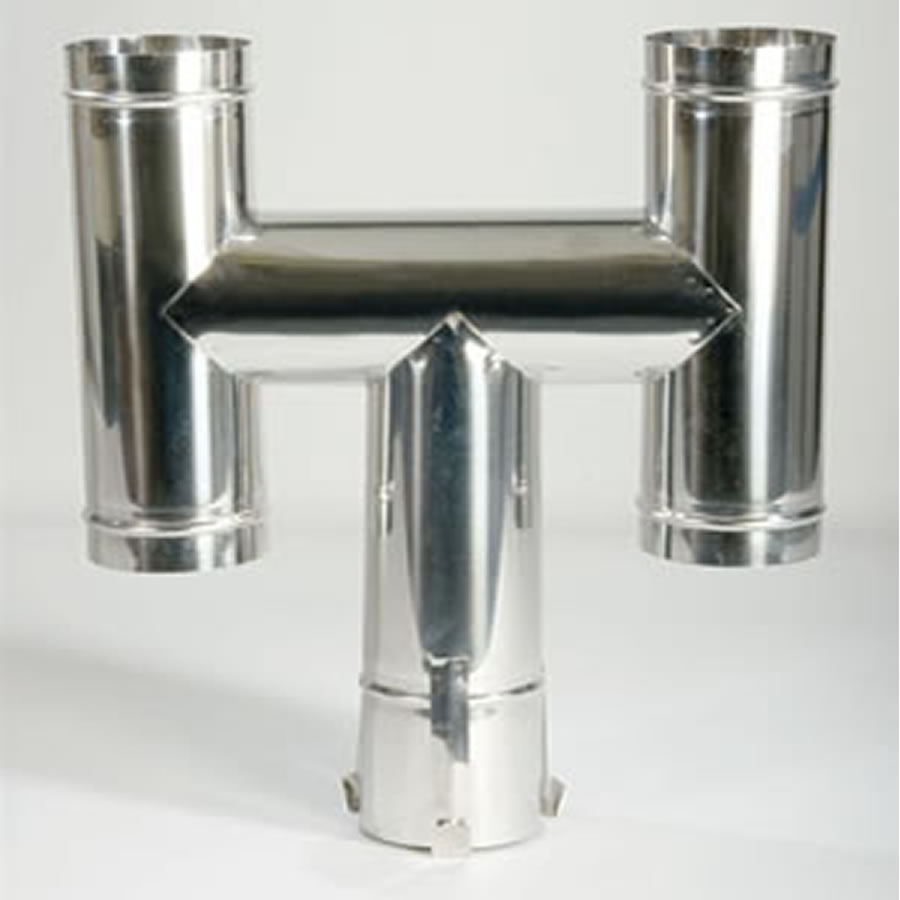
- H-Cowl (Severe Downdraft Solution)
https://www.chimneycowlproducts.co.uk/acatalog/H_Cowl.html (chimneycowlproducts.co.uk in Bing)
These are the strongest performers for exposed or coastal locations.
2. Raise the Chimney Height
If your chimney is too short or sits below the roof ridge, wind turbulence can easily push air downward.
A simple flue extension or taller chimney pot often solves the issue.
Browse chimney pots:
https://www.chimneycowlproducts.co.uk/acatalog/Chimney_Pots.html (chimneycowlproducts.co.uk in Bing)
3. Warm the Flue Before Lighting the Fire
A cold chimney can cause smoke to spill back into the room.
Warm the flue by:
- Burning a firelighter
- Holding a lit rolled-up newspaper into the throat
- Using a stove’s bypass setting
This helps the chimney establish upward draft quickly.
4. Improve Room Ventilation
If your room is too airtight, the fire can’t draw properly.
Try:
- Opening a window slightly
- Installing a small vent
- Turning off extractor fans while lighting the fire
5. Check for Blockages
A partially blocked flue can cause downdraft.
Common blockages include:
- Bird nests
- Fallen debris
- Soot build-up
A chimney sweep can diagnose this quickly.